
The electric vehicle (EV) industry has witnessed an unprecedented rise over the past decade, driven by technological advancements, increasing environmental awareness, and supportive government policies. However, recent trends suggest a slowdown in the growth of EVs, attributed to several factors. Amidst this, hydrogen fuel cell technology emerges as a promising alternative, potentially reshaping the future of transportation.
The Surge of Electric Vehicles
Initially, the EV market’s growth was fueled by the urgent need for sustainable transportation solutions. Innovations in battery technology, coupled with falling costs and increased efficiency, made EVs more accessible to the general public. Governments worldwide offered incentives, from tax breaks to grants, further propelling the popularity of electric vehicles. Companies like Tesla led the charge, demonstrating that EVs could offer performance and convenience alongside environmental benefits.
Facing Headwinds: The Decline of EVs
The electric vehicle (EV) industry, once burgeoning with promise and potential, is confronting a series of challenges that have contributed to its current slowdown. These obstacles range from technological limitations to economic hurdles, each playing a pivotal role in shaping the industry’s trajectory. By dissecting these challenges, we gain insight into the complexities of the EV market and what it may entail for the future of sustainable transportation.
Technological Hurdles: Battery Limitations
One of the most significant barriers facing the EV industry is the limitations of current battery technology. While there have been considerable advancements in battery efficiency and charging times, several issues remain unresolved:
Range Anxiety: The fear of running out of power before reaching a charging station continues to deter potential buyers. Although range has improved, it still falls short of matching the convenience offered by traditional fuel vehicles.
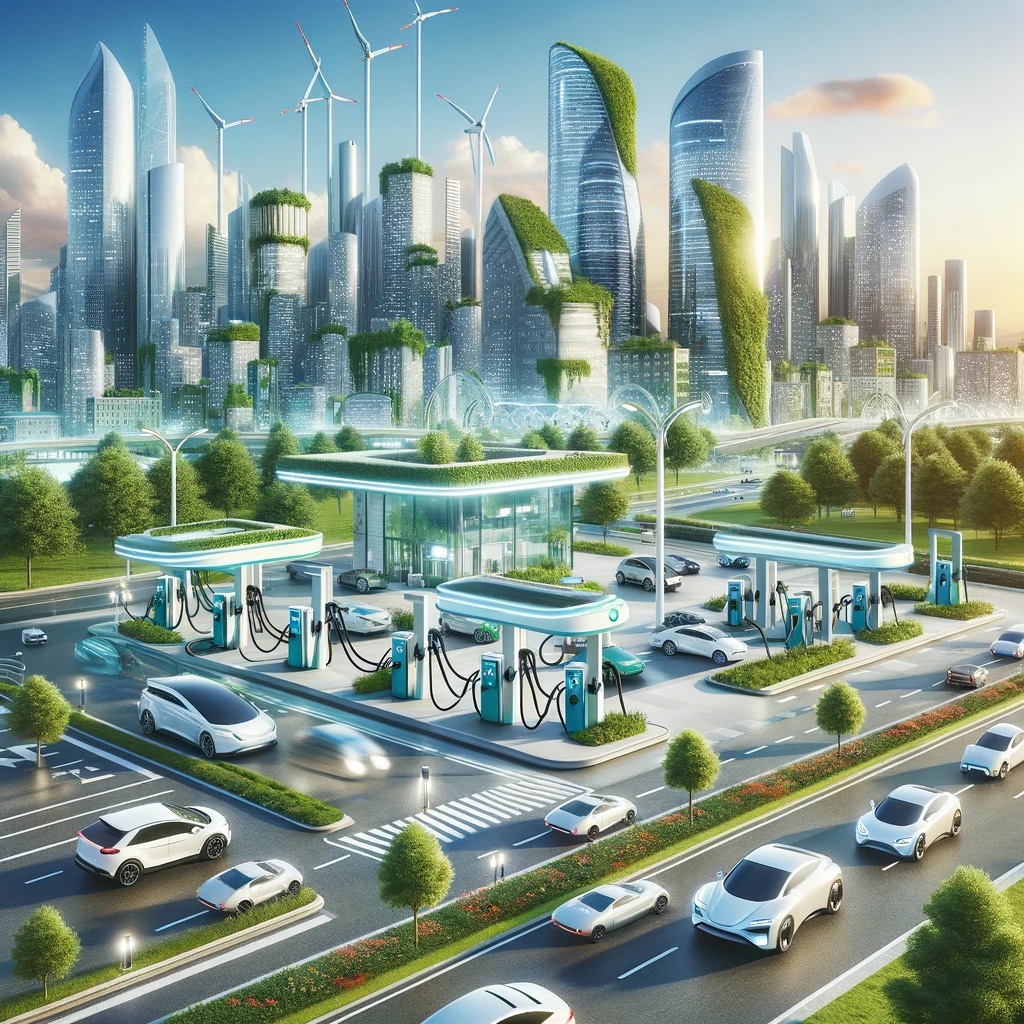
Charging Infrastructure: The availability of charging stations is uneven, with urban areas far better served than rural ones. This disparity further exacerbates range anxiety and limits the practicality of EVs for long-distance travel.
Resource Scarcity: The batteries powering EVs rely on critical minerals like lithium and cobalt, whose supply is finite and increasingly in demand. This raises concerns about the long-term viability and environmental impact of sourcing these materials.
Economic Factors: The Cost Barrier
High Initial Investment: Despite the potential for lower operational costs over time, the initial purchase price of EVs remains prohibitively high for many consumers. This upfront cost barrier is exacerbated by economic uncertainties and fluctuating government incentives.
Dependence on Incentives: The EV market’s growth has been heavily reliant on government subsidies and tax incentives. As these incentives begin to wane or expire, the true cost of EV ownership becomes more apparent, leading to decreased consumer interest.
Market Dynamics: Saturation and Consumer Overload
As more manufacturers jump on the EV bandwagon, the market is becoming increasingly crowded:
Intense Competition: The influx of new models from established automotive giants and startups alike has led to intense competition. While this benefits consumers in terms of choice, it also leads to market saturation.
Brand Loyalty Dilution: With so many options available, consumer loyalty to specific brands may weaken, leading to unpredictable market dynamics and challenges in sustaining long-term growth.
Hydrogen Fuel: A Glimpse into the Future
Amidst the challenges faced by battery electric vehicles, hydrogen fuel cells present an intriguing alternative. Hydrogen vehicles generate electricity by combining hydrogen with oxygen in a fuel cell, with water vapor as the only emission. This technology offers several advantages:
Sustainability: Hydrogen can be produced from various sources, including water, making it a potentially inexhaustible resource. When produced using renewable energy, hydrogen fuel is a clean and sustainable energy carrier.
Efficiency and Range: Hydrogen fuel cell vehicles (FCVs) can be refueled in minutes and often offer a longer range than their battery-electric counterparts, addressing two significant limitations of current EV technology.
Infrastructure and Scalability: Although the hydrogen refueling infrastructure is currently limited, it promises a faster refueling solution compared to electric charging stations, potentially making it more scalable and user-friendly in the long term.
Challenges and Opportunities
However, hydrogen fuel technology is not without its challenges. Production costs, energy efficiency in hydrogen production, storage, and transportation, and the lack of infrastructure are significant hurdles. Yet, with ongoing research and investment, hydrogen has the potential to overcome these obstacles.
Conclusion
The decline of the electric vehicle market is not a sign of failure but an evolution. As the industry navigates its current challenges, hydrogen fuel cells offer a promising glimpse into the future of transportation.
The transition to sustainable transportation is complex and multifaceted, requiring the coexistence and development of multiple technologies, including both battery electric and hydrogen fuel cell vehicles. The path forward will likely involve a blend of solutions tailored to different needs and contexts, with innovation and sustainability at the core of the journey.
 Mosaic Musings
Leave a comment