
In the intricate landscape of mental health, understanding how the brain perceives threat – real or imagined – is crucial, particularly in relation to anxiety and catastrophic thinking. This blog delves into this phenomenon and its implications. Some people experience particular issues with morning anxiety and the article will explore this in more detail.
The Brain’s Threat Detection System
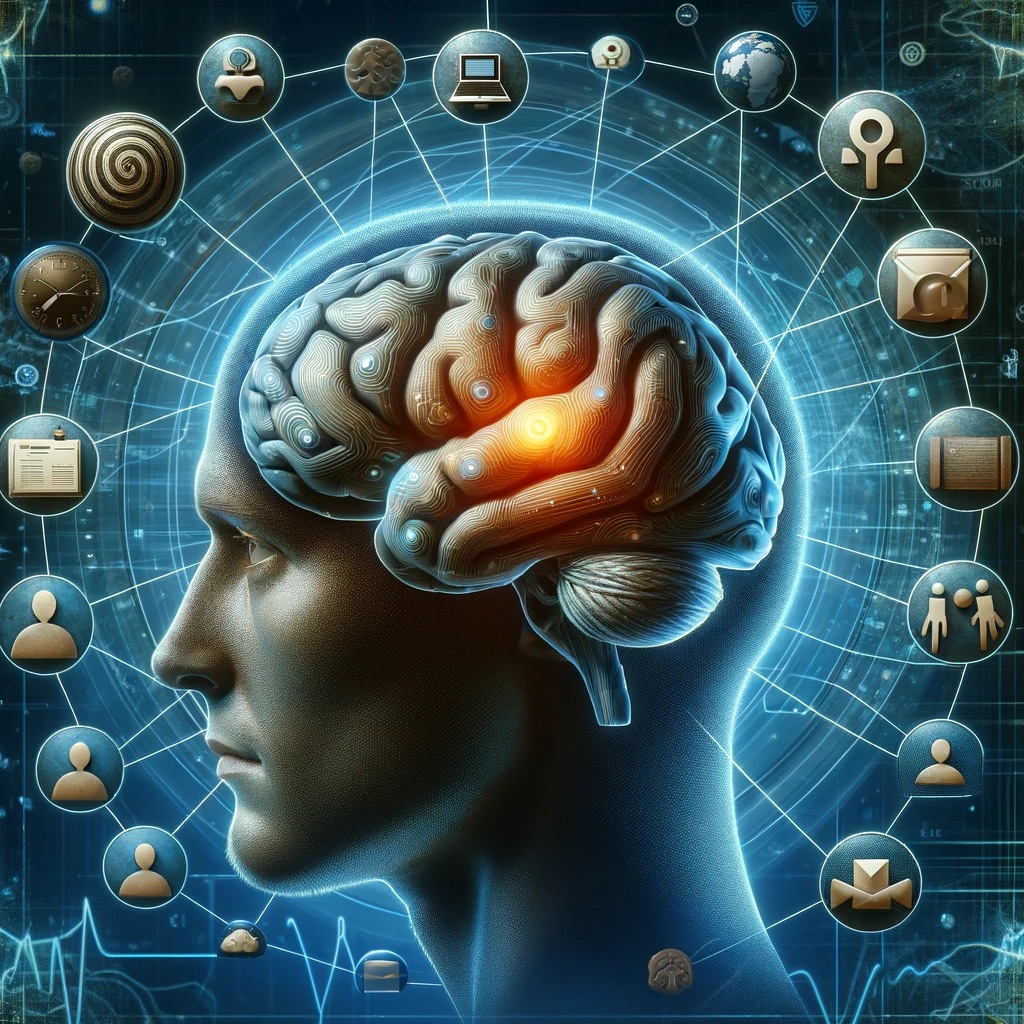
The human brain is wired to detect and respond to threats, a survival mechanism rooted in our evolutionary past. This system, primarily involving the amygdala and other areas of the limbic system, activates the “fight or flight” response when it perceives a threat. Crucially, this response can be triggered by both real and imagined threats. The brain often does not differentiate between a bear charging at us and a worry about a future event that might never happen.
Historically, the ability to quickly recognize and respond to threats was crucial for human survival. Our ancestors faced real, immediate dangers like predatory animals or hostile environments. The brain’s threat detection system, particularly the amygdala’s role in triggering the “fight or flight” response, was essential in these situations. It enabled quick, often subconscious reactions that could mean the difference between life and death.
In contemporary society, although we’re less likely to encounter physical threats to our survival, this system still plays a crucial role. It helps us react to urgent situations, like pulling back our hand from a hot stove or swerving to avoid a car accident. These automatic responses are lifesavers, happening faster than our conscious mind can process the danger
Anxiety and Imagined Threats
Anxiety disorders, at their core, involve a heightened state of worry or fear about potential threats. These threats are often not immediate or real but are imagined scenarios or exaggerations of minor issues. For instance, a person with an anxiety disorder may excessively worry about losing their job or becoming ill, despite no immediate evidence suggesting that these events are likely to occur.
The challenge arises in our modern world, where threats are less about immediate physical danger and more about complex, often psychological or emotional challenges. The brain’s threat detection system can misinterpret these modern ‘threats’, such as a stressful email or a social situation, as being as dangerous as a physical threat, leading to anxiety and catastrophic thinking.
Catastrophic Thinking: A Vicious Cycle
Catastrophic thinking, a common symptom in anxiety disorders, is when an individual imagines the worst possible outcome in any situation. This pattern of thinking can create a self-perpetuating cycle. The brain perceives these imagined catastrophes as real threats, triggering anxiety and physical stress responses. This can reinforce the belief that these imagined scenarios are not only possible but likely, further escalating anxiety.
Morning Anxiety
Morning anxiety, a specific form of anxiety experienced immediately upon waking, can be a perplexing and distressing way to start the day. Unlike generalized anxiety, which can persist throughout the day, morning anxiety typically diminishes as the day progresses.
The Science of Morning Anxiety:
Cortisol Awakening Response (CAR): One of the key players in morning anxiety is cortisol, often referred to as the “stress hormone.” Cortisol levels naturally peak in the early morning hours to help energize and awaken the body. This spike, known as the Cortisol Awakening Response, is more pronounced in some individuals, particularly those with higher stress levels or anxiety disorders, leading to increased feelings of anxiety upon waking.
Sleep-Wake Cycle Disruptions: The brain’s sleep-wake cycle, regulated by the circadian rhythm, also influences morning anxiety. Disruptions in sleep patterns or poor sleep quality can affect this cycle, leading to an imbalance in stress hormones and neurotransmitters upon waking, exacerbating anxiety symptoms.
Brain Regions Involved in Morning Anxiety:
Amygdala and Anxiety: The amygdala, a key region in the brain’s limbic system, plays a crucial role in processing emotions, including fear and anxiety. Heightened activity in the amygdala during the morning hours can lead to increased feelings of anxiety.
Prefrontal Cortex (PFC) and Emotion Regulation: The PFC is involved in regulating emotions and decision-making. Dysregulation in this area, especially upon waking, can hinder the ability to manage and mitigate anxious feelings effectively.
Contributing Psychological Factors:
Anticipatory Stress: For many, mornings can be a time of planning and anticipation for the day’s tasks and responsibilities. This forward-thinking mindset, particularly in those prone to anxiety, can trigger stress responses.
Balancing Survival and Well-being
Understanding the protective intent and evolutionary basis of the brain’s threat detection system is key. It helps in appreciating its role in our survival while also recognising its limitations in the context of modern life. This awareness is crucial in managing anxiety and catastrophic thinking. It allows us to differentiate between situations where this system serves us well and those where it might be overreacting.
In summary, while the brain’s inability to differentiate between real and imagined threats can contribute to anxiety, it’s also a testament to our evolved capacity for survival. Recognising and respecting this system’s role in our protection, while learning to manage its misfirings in a modern context, is a crucial balance for mental and emotional well-being.
 Mosaic Musings
Leave a comment