
The Spark of the Movement: The George Floyd Incident
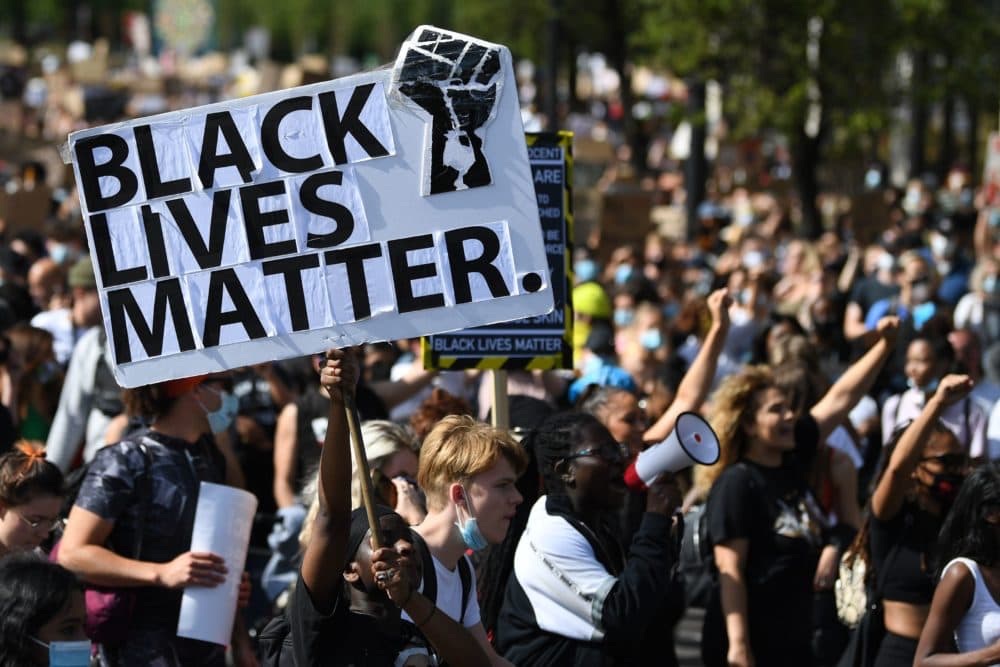
The Black Lives Matter (BLM) movement, which had been active since 2013, gained unprecedented global momentum following the tragic incident involving George Floyd in May 2020. Floyd’s death under the knee of a Minneapolis police officer sparked worldwide outrage and protests, highlighting systemic racism and police brutality. The visceral reaction to the video of Floyd’s last moments was a catalyst that turned local grief into a global movement, leading to widespread demonstrations across the world.
The Rise and Spread of BLM
The BLM movement, at its core, sought to address and combat systemic racism, particularly in law enforcement. It resonated globally, transcending borders and cultures, as people from various backgrounds joined the call for racial justice and police reform. The universality of the movement’s message – a demand for an end to racial injustice – found echoes in various countries, where local grievances regarding racial and social injustices were brought to the forefront.
Drivers Behind the Phenomenon
Several factors fueled the rapid spread and influence of BLM. The power of social media played a crucial role in disseminating information and organizing protests. Additionally, the movement was driven by a younger, more diverse generation of activists who brought renewed energy and perspectives. The clear and focused messaging of BLM also made its objectives and demands easily understandable and relatable.
The Fizzling Out of the Movement
In the aftermath of its peak, the Black Lives Matter movement’s visible presence and the intensity of its activism seemed to diminish. Several factors contributed to this perceived decline. Firstly, the initial surge of global attention was challenging to sustain. As the news cycle moved on and public attention shifted to other pressing issues, such as the ongoing COVID-19 pandemic and economic concerns, the spotlight on BLM and its activities waned.
Additionally, the challenge of transitioning from protest to policy became evident. While the movement was successful in raising awareness and sparking conversations, translating this into lasting systemic change proved more complex. The varying degrees of commitment to reform at local, national, and global levels led to a patchwork of changes, with some areas seeing significant reforms and others experiencing little to no change.
The movement also grappled with internal dynamics and the difficulty of maintaining a unified direction. As a decentralized movement with numerous chapters and factions, there were differing opinions on strategies and objectives. This diversity of approaches, while a strength in promoting inclusivity and local engagement, also posed challenges in maintaining a cohesive and sustained campaign.
Controversies and Organisational Challenges
The BLM movement faced various organizational challenges and controversies, particularly concerning its leadership. Allegations of financial mismanagement and a lack of transparency in handling donations raised questions about the stewardship of the movement’s resources. These issues led to a degree of public skepticism and criticism, impacting the movement’s public image and effectiveness.
Racism and the Limitations of Movements
While movements like BLM play a critical role in highlighting issues of racism and inequality, they alone cannot be the sole catalysts for enduring change. Systemic issues require systemic solutions – changes in policy, law enforcement practices, and broader societal attitudes. The ebbing of the BLM movement’s visibility raises questions about how sustained attention can be maintained on issues of racial justice.
The limitations of the BLM movement are rooted in the complexities of addressing systemic racism. Systemic issues are deeply embedded in societal structures and require more than activism to change. While protests can highlight these issues, achieving lasting change requires sustained political and legislative action, something movements like BLM can initiate but not solely accomplish.
Another limitation is the reliance on media attention and public sentiment. Movements often gain traction when they are in the public eye, but as attention fades, so can their immediate impact. This reliance on external factors can make it challenging to maintain momentum and drive continuous change.
Furthermore, the backlash and counter-movements that BLM faced also played a role in its limitations. Opposition from certain political groups and individuals who felt threatened by the movement’s calls for change created a polarized environment, hindering the potential for constructive dialogue and collaboration.
Keeping the Conversation Alive and Relevant
For the topic of racial justice to remain live and relevant in our daily lives, continuous engagement is crucial. This includes education on racial issues, active participation in local governance, and holding institutions accountable. Support for grassroots organisations, community-led initiatives, and continuous dialogue can help keep the momentum of change alive. It is also essential to recognise that the fight against racism is a continuous process that requires persistent effort and commitment from all sectors of society.
Educational Initiatives
Integrating comprehensive education on racial history and social justice in schools and workplaces is crucial for fostering a deeper understanding of the issues. This approach includes revising curricula to include diverse perspectives and histories, as well as providing training and workshops that focus on racial awareness and sensitivity. By educating the younger generation and the workforce, we can create a foundation for a more informed and empathetic society.
Community Engagement
Supporting local initiatives and organizations working on racial justice issues helps maintain momentum at the grassroots level. Community engagement can take various forms, from volunteering and funding local projects to participating in community-led discussions and events. These actions not only contribute to immediate change but also build a sense of collective responsibility and solidarity within communities.
Policy Advocacy
Engaging with political processes, from local councils to national legislation, to advocate for reforms is essential in translating awareness into action. This involves voting for candidates who prioritize racial justice, lobbying for policy changes, and participating in public consultations. Policy advocacy ensures that the demands for racial equality are heard and acted upon by those in power.
Media Representation
Encouraging and supporting diverse representation in media is vital to ensure that stories and perspectives related to racial justice continue to be heard and seen. This includes promoting diversity in newsrooms, supporting creators from marginalized communities, and challenging media outlets to present unbiased and inclusive content. A diverse media landscape helps to break down stereotypes and promote understanding across different communities.
Ongoing Dialogue
Facilitating regular conversations about race, privilege, and inequality in various settings is necessary to keep the issue at the forefront of societal consciousness. This ongoing dialogue can occur within families, among friends, in educational institutions, and in the workplace. Open and honest discussions can foster empathy, challenge preconceptions, and encourage individuals to reflect on their own biases and behaviors.
Corporate Accountability
Encouraging businesses and corporations to implement tangible, long-term policies that address inequality within their organizations and communities is crucial. Beyond making statements of solidarity, corporations should be held accountable for creating inclusive work environments, supporting minority-owned businesses, and contributing to social justice initiatives. Corporate accountability can have a significant impact due to the economic influence and reach of these entities.
Artistic and Cultural Expression
Utilising art, literature, and cultural events as platforms to express, educate, and provoke thought about racial justice issues is an effective way to engage a wider audience. Artistic and cultural expressions can convey powerful messages, evoke emotions, and start conversations, playing a vital role in raising awareness and inspiring change.
Conclusion
The Black Lives Matter movement brought global attention to systemic racism and the need for substantial reform. While its prominence may have diminished, the issues it highlighted remain relevant. Keeping the conversation about racial justice active in our daily lives is crucial for fostering a more equitable society. Real change requires ongoing effort, engagement, and a commitment to confronting and dismantling systemic racism in all its forms.
 Mosaic Musings
Leave a comment