
Creating an effective CV is crucial in presenting your skills, experiences, and qualifications to potential employers. Here’s a guide to crafting an exceptional CV, drawing from a wealth of literature, LinkedIn posts by experts, and academic papers.
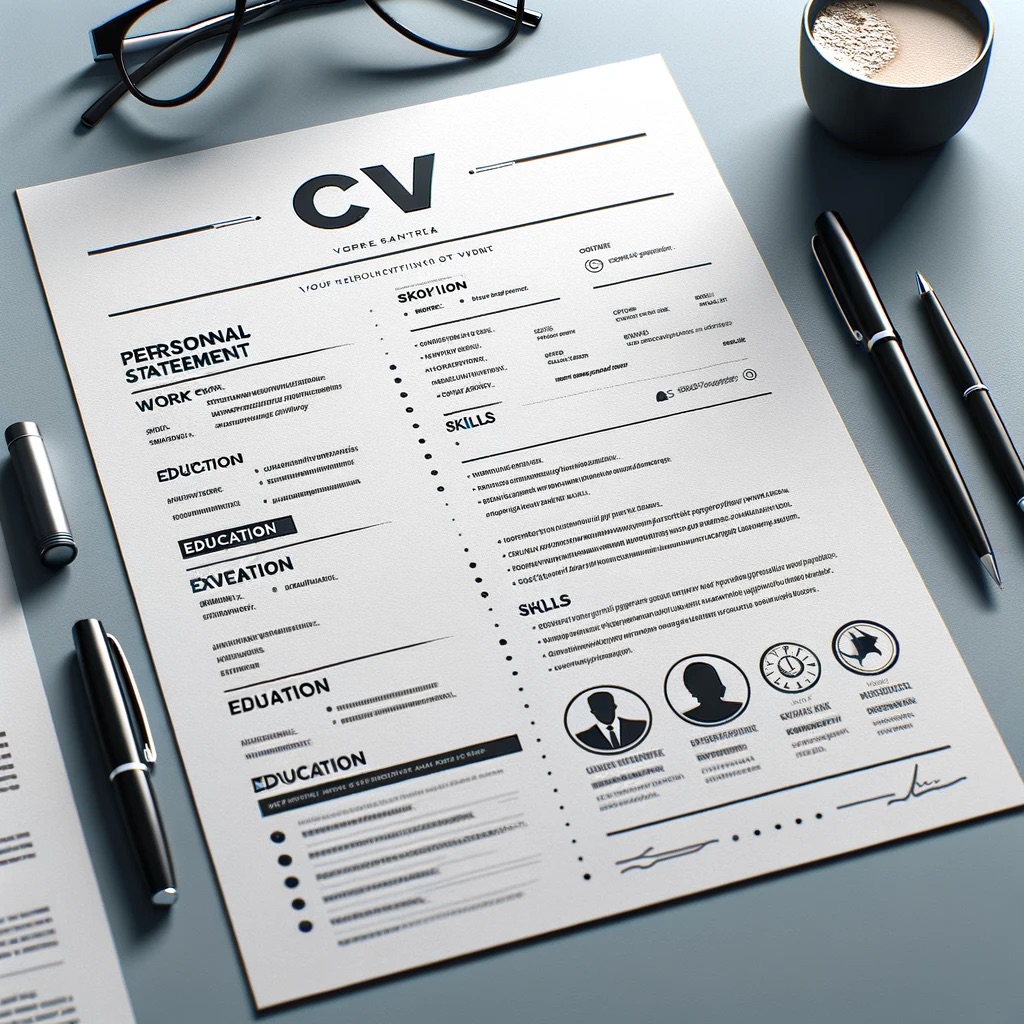
Begin your CV with a header that includes your name, contact information, and professional title or area of expertise. This should be followed by a personal statement—a brief, compelling summary of your professional background and career goals. The work experience section is next, where you should list your roles in reverse-chronological order, including the company name, position, and dates of employment. Here, focus on highlighting key achievements rather than just duties.
Your educational background is equally important. Detail your academic qualifications, focusing on degrees, institutions, and years attended. Following this, list relevant skills that are pertinent to the job you’re applying for, both hard and soft. Don’t forget to include any additional sections like certifications, languages, volunteer work, or publications that enhance your candidacy.
When it comes to formatting, consistency is key. Use a consistent format for dates, headings, and bullet points and choose a clean, professional font. The CV should be readable and ideally, kept to one or two pages, depending on your experience.
There are certain pitfalls to avoid in your CV. Steer clear of generic statements and be specific about your skills and experiences. Don’t include irrelevant information like age, marital status, or photos unless specifically required. Typos and grammatical errors can be a major turn-off for employers, so proofread thoroughly. Above all, never lie or exaggerate your qualifications.
These guidelines are derived from a range of sources, including academic research on recruitment and HR practices, insights from industry professionals and recruiters on LinkedIn, advice from career experts and coaches, and professional guidelines set by HR organizations. Remember, a CV is not just a record of your career history; it’s a marketing document designed to sell your skills and expertise to potential employers. Tailor it for each application, and keep it updated with any new skills or experiences.
 Mosaic Musings
Leave a comment